
The allure of risk: Understanding high-stakes gambling
High-stakes casino gambling attracts individuals seeking not just the thrill, but also the potential for significant financial rewards. The element of risk plays a crucial role in this allure. With each roll of the dice or spin of the wheel, gamblers experience a rush of adrenaline that can be both exhilarating and addictive. In fact, this excitement is often linked to the brain’s reward system, which releases dopamine—a chemical associated with pleasure—when individuals engage in risk-taking behaviors. For example, many gamblers may even be interested in the best bitcoin casino options available to enhance their gameplay experience.
Moreover, the psychological appeal of high-stakes gambling transcends mere monetary gain. Many players enjoy the social aspects of gambling, relishing the competition against others or the camaraderie found in casino atmospheres. This social interaction can amplify the excitement and lead to a heightened emotional experience, creating a compelling environment for those involved in gambling.
The role of cognitive biases in gambling decisions
Cognitive biases significantly influence the decision-making processes of gamblers. One common bias is the illusion of control, where individuals believe they can influence the outcome of games of chance. This misconception can lead players to take greater risks, as they may feel they have a better chance of winning than is statistically possible. Understanding this bias is vital, as it often contributes to the escalation of gambling behavior.
Another important cognitive bias is the availability heuristic, where gamblers recall their winnings more vividly than their losses. This selective memory can reinforce the belief that one is on a lucky streak, encouraging continued play despite previous setbacks. Such biases highlight the importance of recognizing psychological factors that can lead to poor financial decision-making in high-stakes environments.
Emotional triggers and their impact on gambling
Emotions play a substantial role in high-stakes casino gambling. Many individuals turn to gambling as an escape from stress, anxiety, or other negative emotions. The temporary thrill of gambling can provide a sense of relief, reinforcing the behavior as a coping mechanism. However, this reliance on gambling for emotional comfort can lead to a dangerous cycle, where individuals gamble more frequently to recapture that initial high.
Additionally, the experience of winning can create a euphoric spike in emotions, further entrenching a gambler’s involvement. These emotional triggers can cloud judgment, making it difficult for players to assess their spending accurately. Recognizing the influence of emotions in gambling behavior is crucial for understanding why individuals may continue to gamble, even when it leads to negative consequences.
The social environment of casinos and its psychological effects
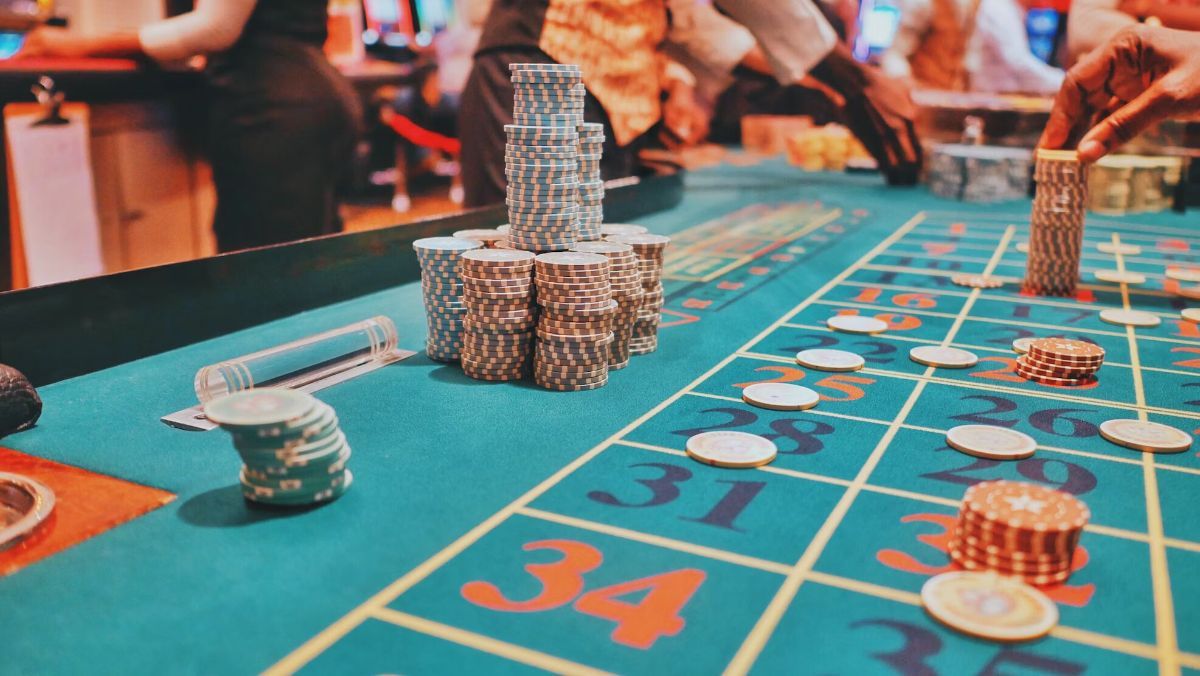
The casino environment itself is designed to enhance the gambling experience, employing lighting, sounds, and layouts that encourage prolonged play. The absence of clocks and natural light creates a disorienting effect, encouraging players to lose track of time and money. This intentionally crafted space heightens the psychological thrill of gambling, making it more appealing to high-stakes players.
Furthermore, the presence of other gamblers can serve as a psychological motivator. In a bustling casino, the energy and excitement of fellow players can create a contagious atmosphere that drives individuals to continue playing. The social dynamics of gambling can amplify experiences, as players share in both the highs and lows of their gaming endeavors, reinforcing their investment in the activity.
Enhancing your understanding of gambling psychology
For those looking to delve deeper into the psychology behind gambling, educational resources are invaluable. Understanding the mental and emotional factors at play can empower individuals to make more informed decisions regarding their gambling behavior. By being aware of cognitive biases and emotional triggers, players can develop better strategies for managing their gambling practices.
Additionally, platforms like English for Students provide a wealth of information and resources that can help individuals enhance their understanding of not just the English language, but also complex topics such as gambling psychology. By exploring various perspectives and insights, learners can gain a holistic view of the factors that drive high-stakes casino gambling, ultimately enriching their knowledge and decision-making skills.